The KAP Process at martin healing sanctuary
KAP at Martin Healing Sanctuary is a collaborative, phased process that integrates medical care and psychotherapy. Each stage builds on the last, allowing treatment to progress at a pace that supports both safety and depth treatment.
The process begins with an introductory consultation where we learn more about your goals, history, and what brings you to treatment. This is an opportunity to ask questions, discuss concerns, and determine whether ketamine therapy may be an appropriate fit.
Integrated Medical & Psychological Assessment
1
Medical and psychological evaluations are conducted collaboratively rather than in isolation. Prescribers and therapists work together to assess eligibility, risks, and readiness, creating a shared foundation for individualized care.
Designing an Individualized Dosing Strategy
2
There is no universal ketamine dose. Dosing decisions are tailored to each client based on sensitivity, trauma history, anxiety levels, dissociation tolerance, and therapeutic goals, with adjustments made over time as needed.
Preperation sessions
3
3 preparation sessions are always held within an ongoing therapeutic relationship, allowing experiences to be supported, paced, and integrated. Medicine is only provided within a therapeutic frame.
Medicine
4
Medicine sessions are always held within an ongoing therapeutic relationship, allowing experiences to be supported, paced, and integrated. Medicine is only provided within a therapeutic frame.
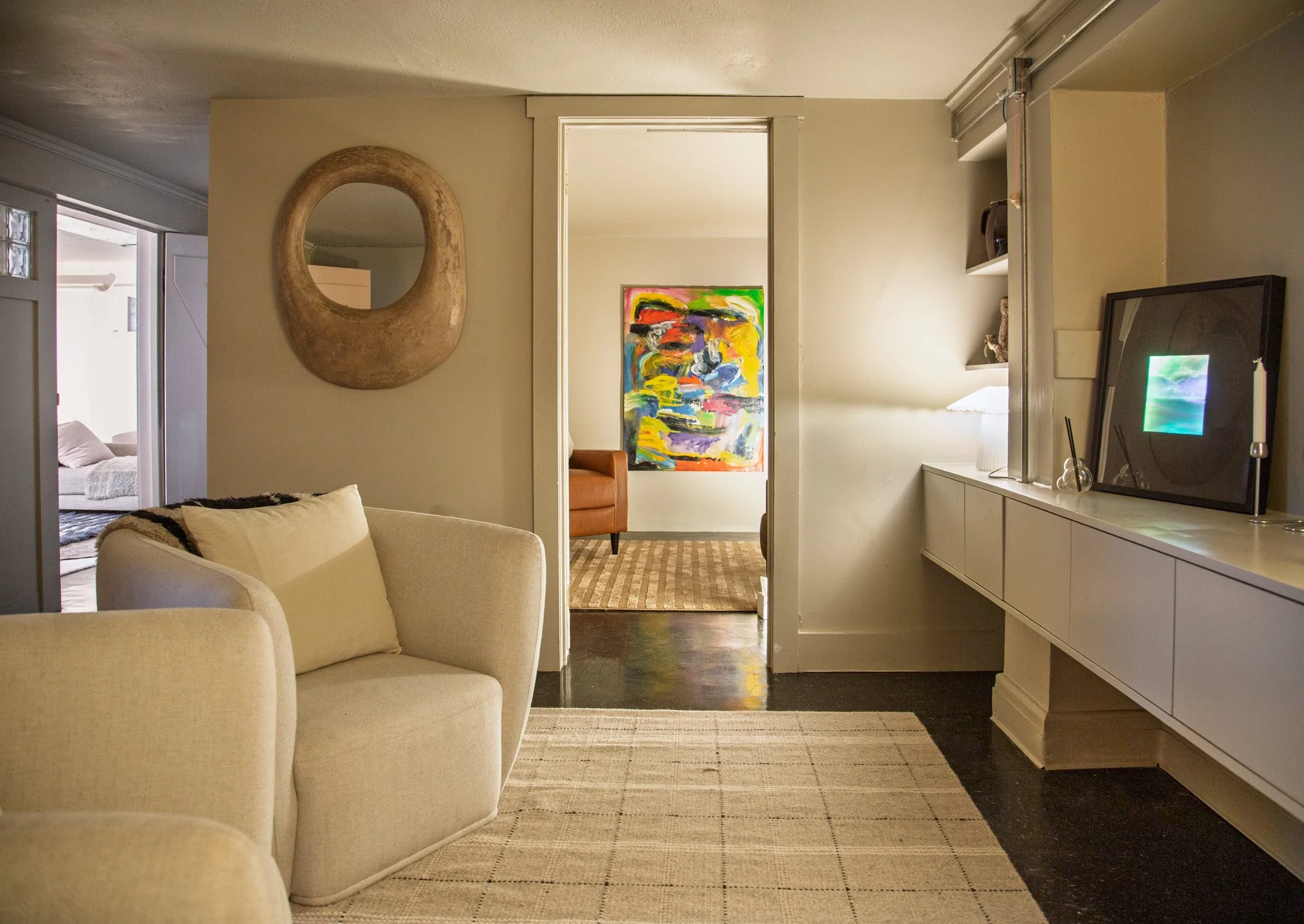
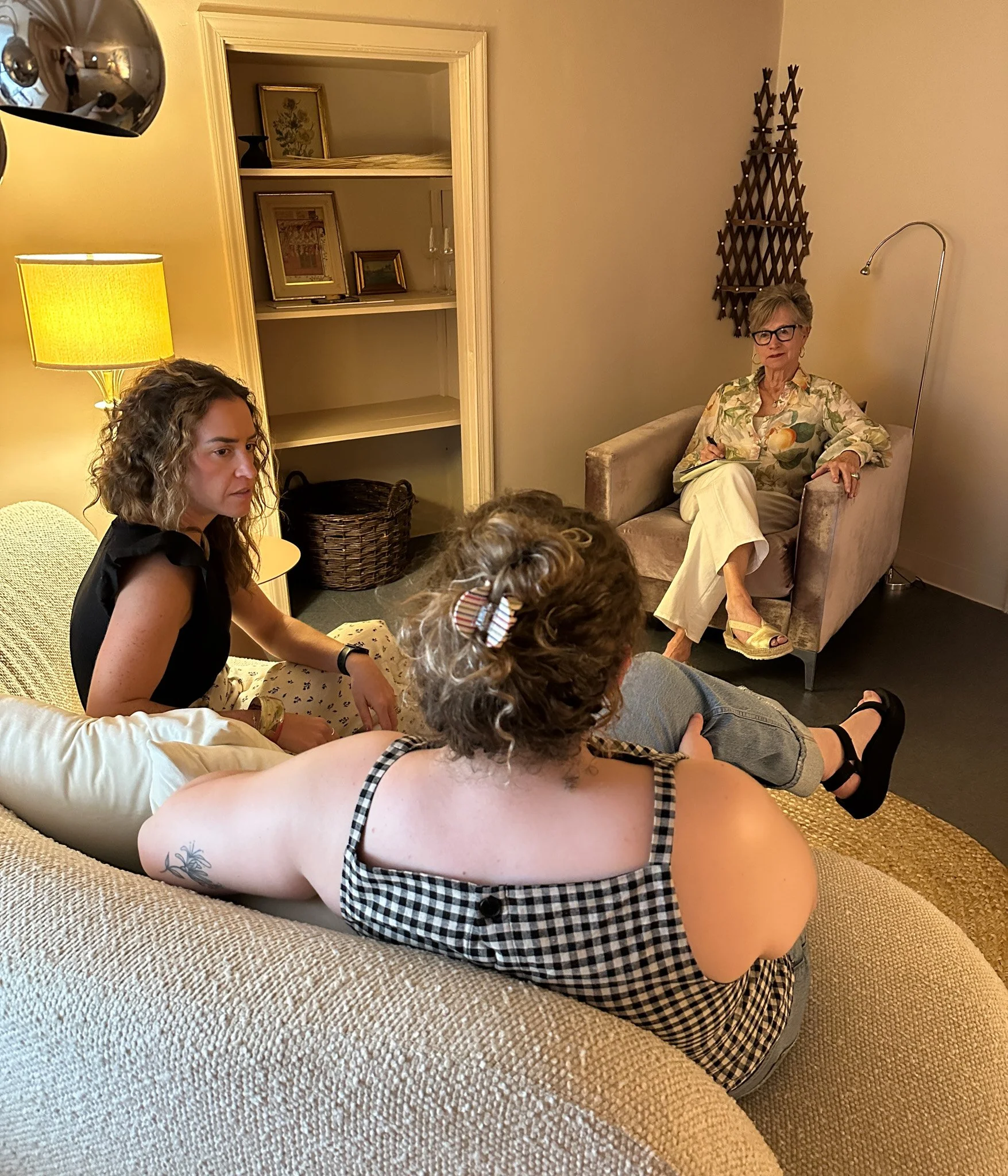
Treatment sessions take place in a calm, supportive environment designed to help clients feel comfortable and grounded.
Throughout the experience, patients are monitored by trained professionals who prioritize safety and compassionate care.
Sessions are intentionally unhurried, allowing time for rest, reflection, and recovery afterward.
integration
5
Healing does not end when the session is over. Integration sessions help translate ketamine experiences into lasting change. Clients process insights, emotions, and patterns in therapy, ensuring the work continues beyond the medicine session itself.
Clients may choose to continue working with therapists, wellness practitioners, or other members of the Martin Sanctuary community to support ongoing healing and personal growth.
Our goal is to provide care that feels sustainable, connected, and deeply human.



Frequently Asked Questions
-
Ketamine-assisted psychotherapy (KAP) can support individuals struggling with depression, anxiety, PTSD, trauma-related symptoms, and mood disorders that have not fully responded to traditional treatments. It may also be helpful for people experiencing existential distress or rigid emotional patterns. KAP is a therapeutic tool that can increase psychological flexibility and insight, allowing for new ways of relating to emotions, experiences, and long-standing patterns.
-
Ketamine has a long history of medical use and is considered safe when administered in a controlled, clinical setting with proper screening and monitoring. Prior to treatment, clients undergo a thorough medical and psychological evaluation to assess risk factors and contraindications, and dosing is carefully managed by a licensed prescriber. Ketamine is an anesthetic that has a calming effect on the nervous system, which can reduce defensive responses and create greater capacity for emotional processing. This temporary shift can allow individuals to access and work through traumatic material that may feel blocked or overwhelming in ordinary waking consciousness. Side effects are typically short-lived and discussed in advance, and safety remains a central focus throughout the entire process.
-
Some clients experience a mild to moderate dissociative state, which can feel like increased distance from everyday thoughts or sensations. Most people remain aware, able to communicate, and oriented throughout the session. The intention of this work is to create what is known as a psycholytic effect, which is achieved through lower doses of medicine so the experience remains therapeutic and relational. This allows clients to stay present, talk through the session, and work actively with the therapist. Higher doses, which are more commonly associated with IV ketamine treatments, often produce deeper dissociation and typically do not include therapeutic support; in KAP, the goal is safety, collaboration, and meaningful psychological work—not loss of control.
-
The number of sessions varies depending on individual needs, goals, and responses to treatment. Some clients benefit from a short series of sessions, while others engage in longer-term work. KAP is often structured around preparation, medicine sessions, and integration therapy. Progress is reviewed regularly to guide next steps. There is no predetermined “one-size-fits-all” timeline.
-
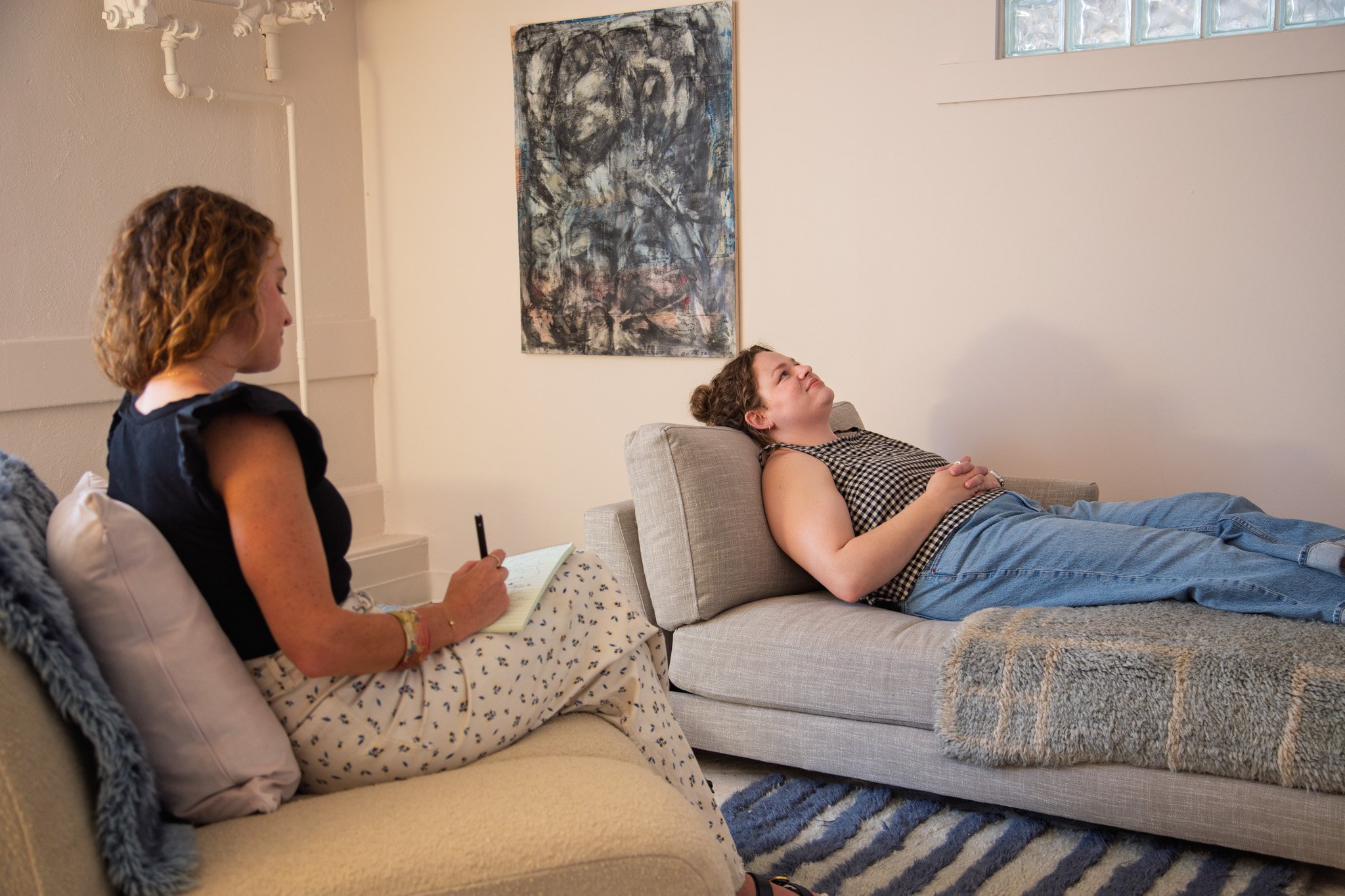
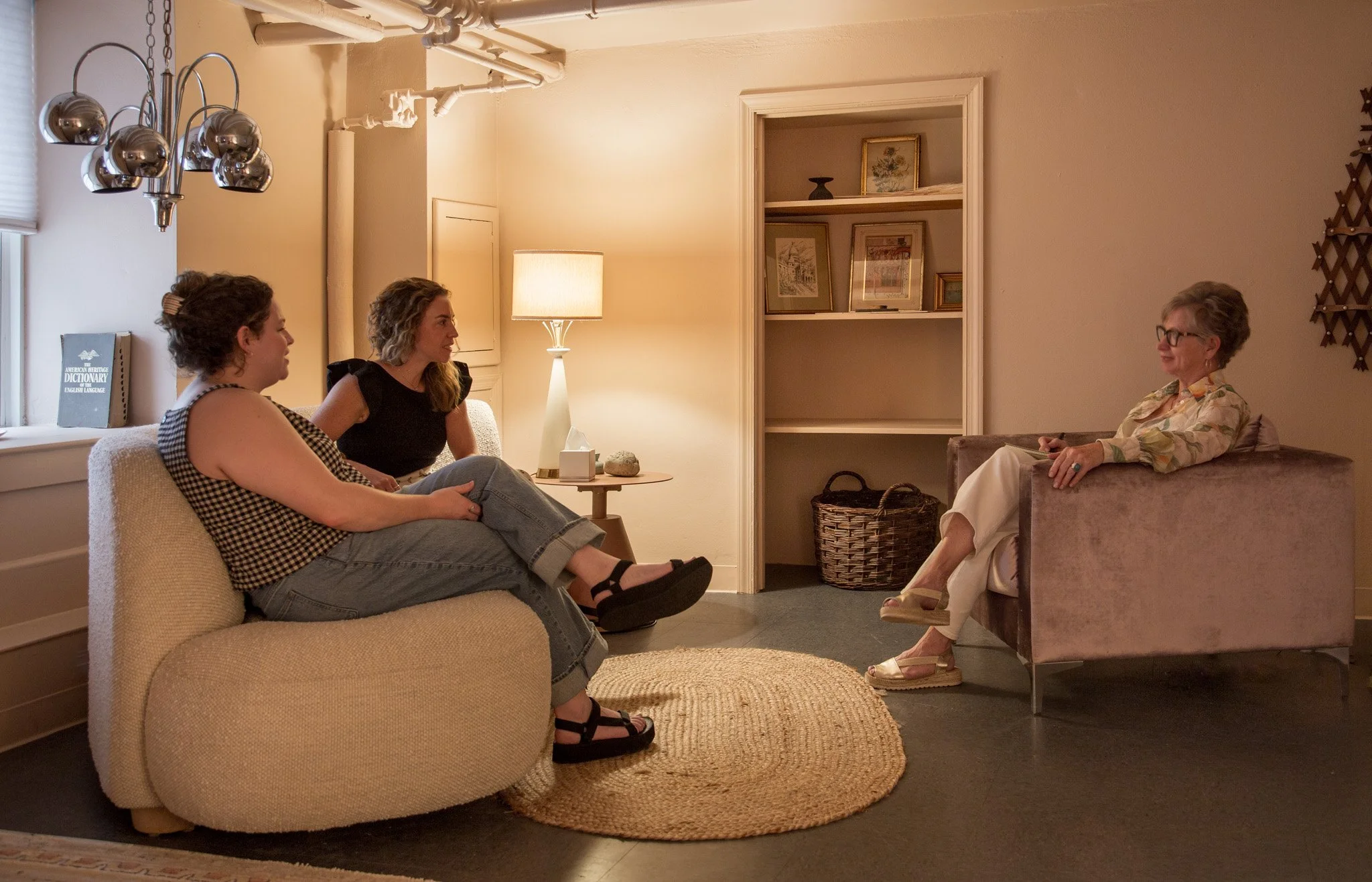
Yes, ongoing psychotherapy is a core component of ketamine-assisted psychotherapy. The medicine alone is not the treatment—the therapeutic relationship and integration work are essential. Therapy helps prepare for the experience and make meaning of what emerges afterward. Clients may work with a therapist within our practice or an outside provider. Coordination of care is prioritized.
-
KAP is not appropriate for everyone, and that determination is made thoughtfully and collaboratively. If ketamine is not a good fit, we will discuss alternative treatment options and referrals. Declining or discontinuing KAP does not mean you have failed or run out of options—many paths to healing exist. This is also why we do not require monthly packages or bundled treatment plans; we believe clients should have flexibility and autonomy in shaping their care. Our goal is to support your wellbeing in the safest, most ethical, and most effective way.